
Because in principle it makes sense to increase our surface area for upside and because these raw updates have been well-liked, I’ll start posting some of these updates as a company blog. This is a ~6 month experiment; I may continue them privately again. Here’s the Capable blog link. capable.com/progress/202610
Hello friends & angels,
It’s been a wild few months at Capable.
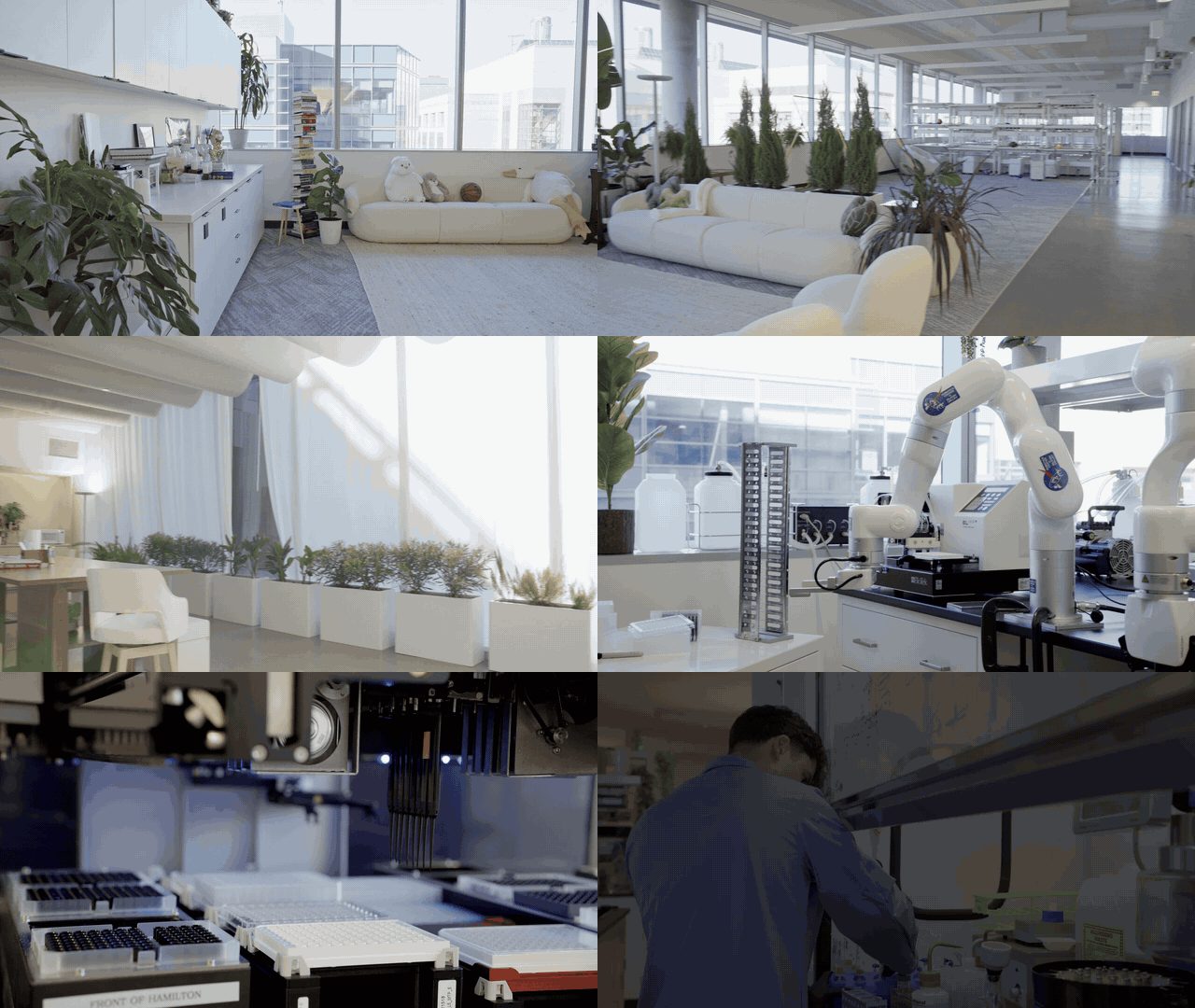
First, we raised our $38M seed round -- from Cathay, Abstract, Fidji Simo, Joe Betts-LaCroix, Andrej Karpathy, and more. This brings our total raised to-date to $50M. A huge thank-you to everyone involved. We may end up doing a bigger announcement at some point, but for now we’re focused on scaling the lab and platform.
Afterwards, we scaled our research lab from 2,000 square feet to 22,500 square feet in a roughly 3-week sprint. We’re now in Mission Bay next to UCSF -- come say hi at LABv2. We’re hosting a small lab-warming on Monday 6p, feel free to stop by and I’ll show you what we’ve been up to. (Link)
Additionally:
We started working with Steven Cao from Cognition, Shane Lafayette from Centessa, and Di from Retro -- and also announcing Bo & Alana.
For our first-gen sleep program, we finished a pure 180 gram batch to prepare for preclinical safety testing.
For our next next-gen sleep program, the most recent breakthrough designs are on-track for potentially oral dosing.
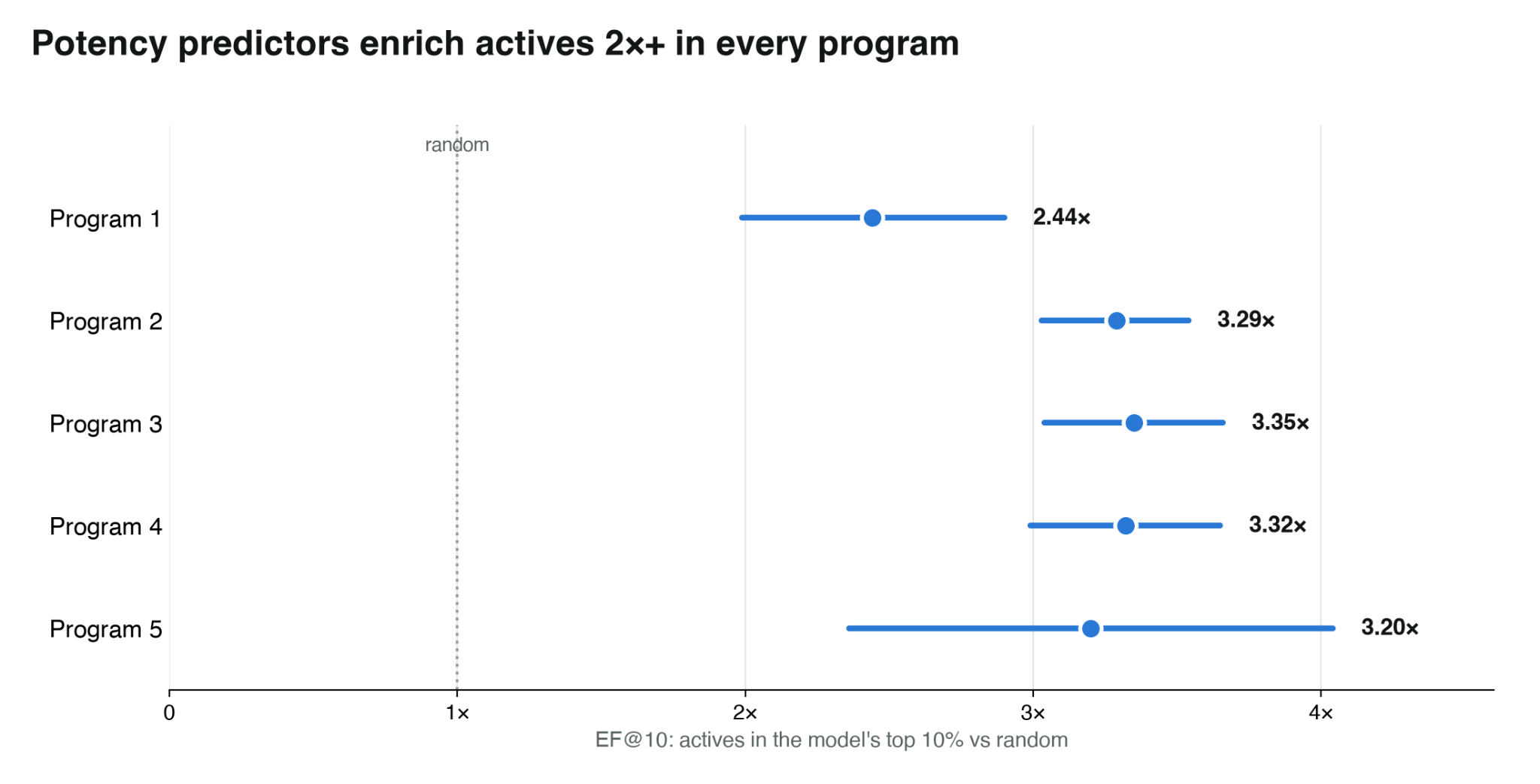
Our potency predictor model hit good cross-generalization. The models… they just want to learn.
We’re spinning up our next exercise mimetic campaign towards a drug that partially mimics the effects of exercise.
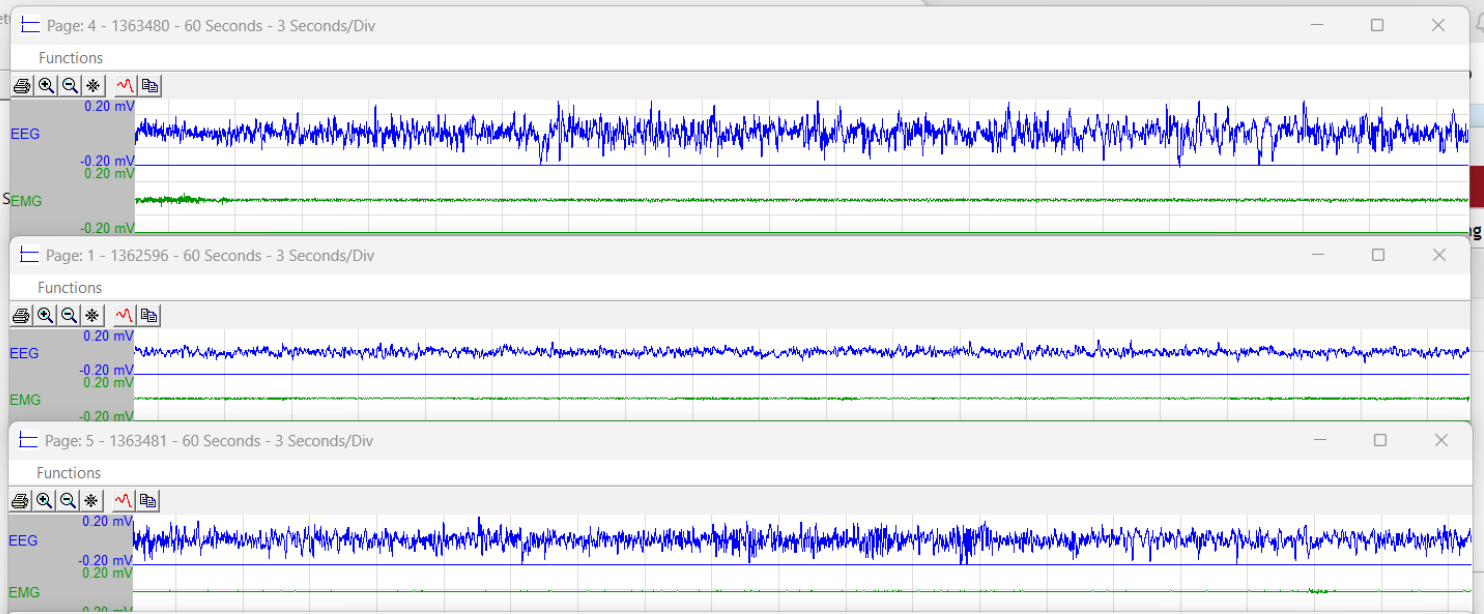
We completed our second cohort of EEG implanted mice, getting us ready for further validation of our in-vivo data.
Brief Team Updates
Steven Cao, previously at Cognition and Redwood Research, is joining us as MTS. After previously working on reducing alignment faking at Redwood Research, Steven became one of the ~five core research MLEs at Cognition, key for training Cognition’s trillion-parameter-scale models.
Steven is bringing in his experience wrangling post-training large models, compute at scale, optimization of runs, and his new-found love for the life sciences. Welcome!
Shane Lafayette started working with us as an advisor, after his previous work as Director of Business Development at Centessa -- the company recently bought by Lilly for $6B for effectively one core phase 2 sleep therapeutic.
Shane already has been in the weeds for us for the first potential asset deals. Of course pharma asset deals take a while, but we’re very excited about what’s ahead here over the upcoming years, and it’s best to start early. We’re grateful to have Shane here for this.
Di, previously at Oxford & Retro, joined us to automate our scale-up. After relentlessly optimizing our methods, it now makes sense to automate to scale. Di came in, built our automation set-up v1 in three weeks, and scaled our ability to test drug compounds in cell assays every day by >10x.

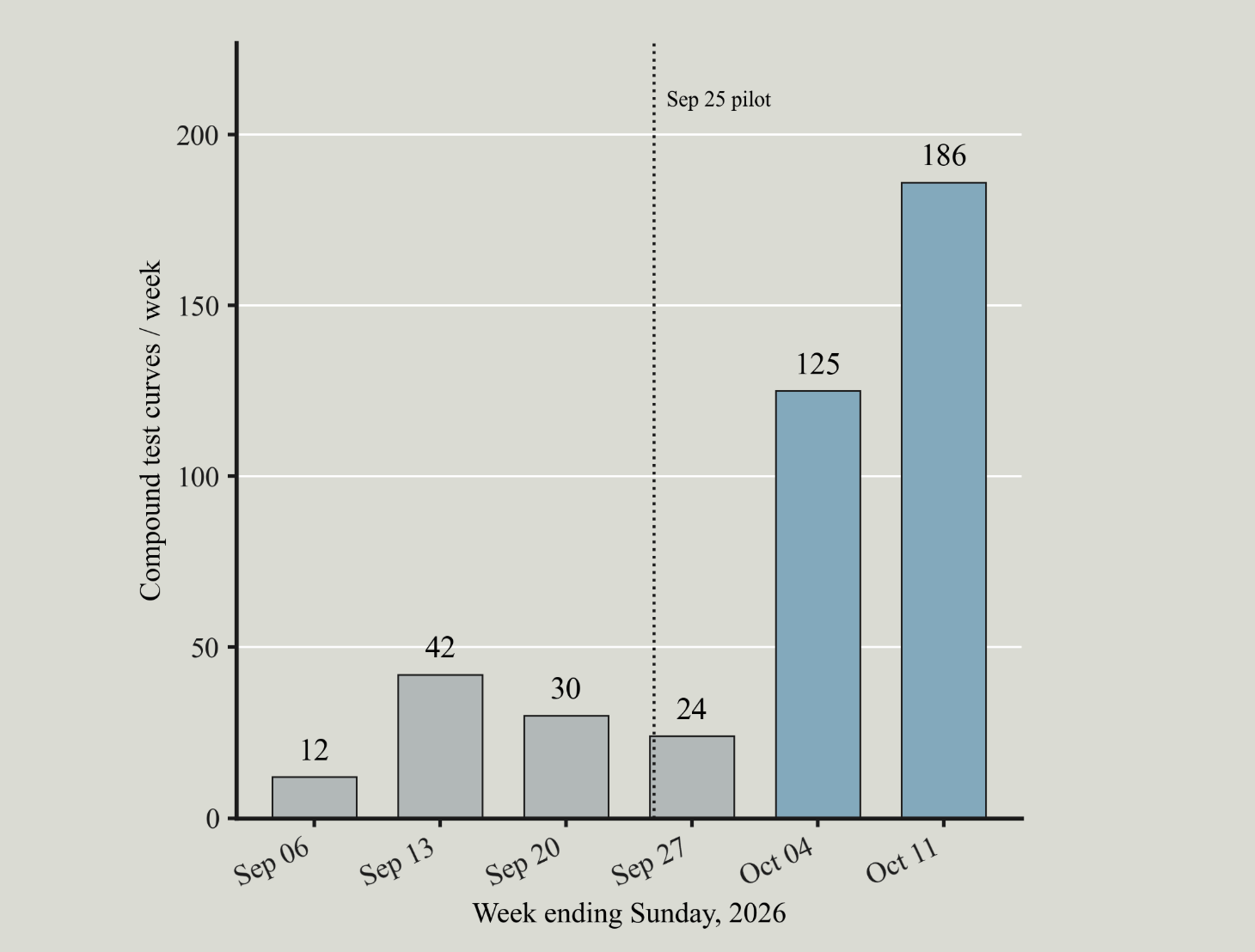
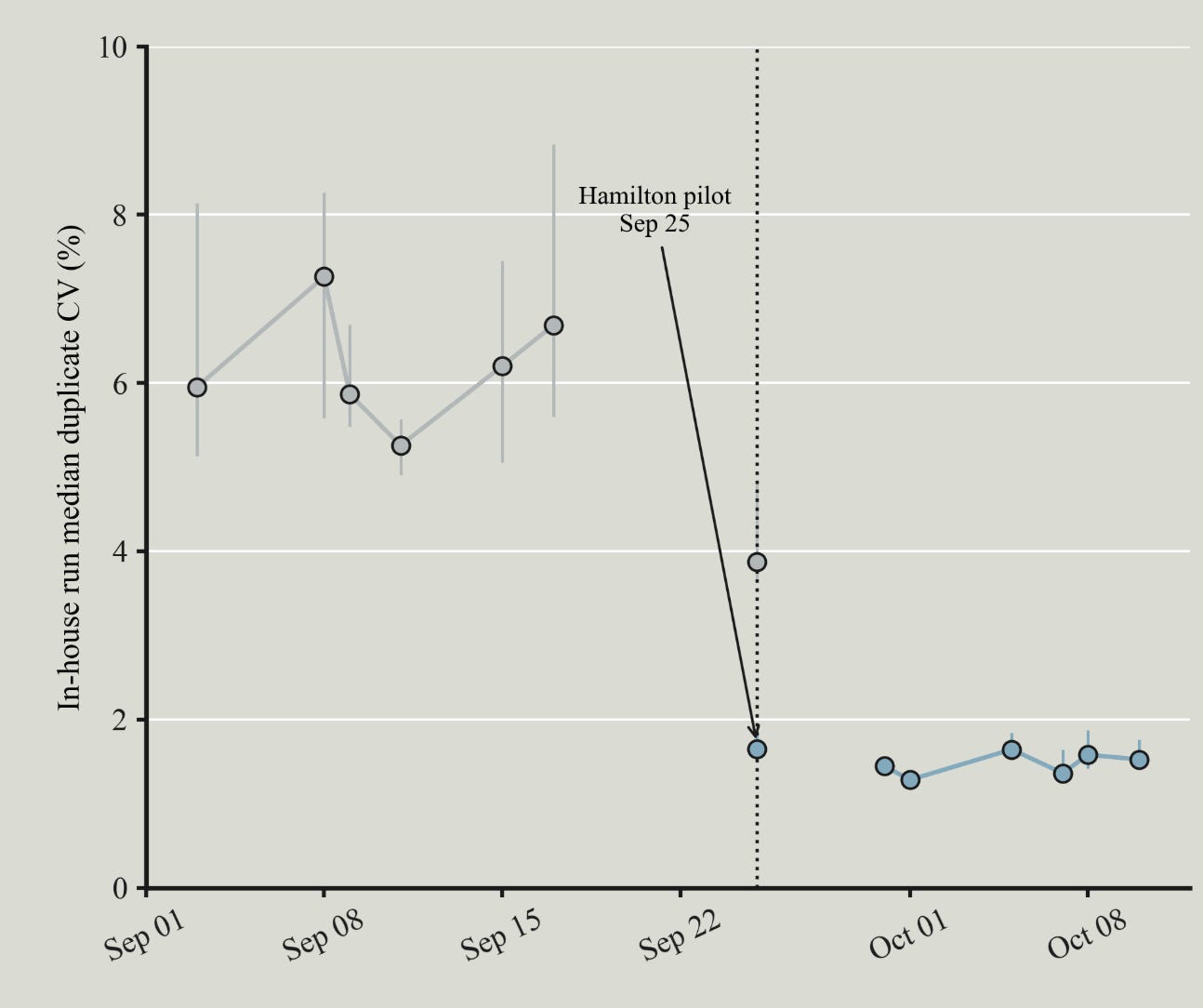
Automating our assays improved both our throughput by roughly 10x but also increased our precision, reducing our coefficient of variation from 6% to ~1.75% here. This is excellent reproducibility, especially for messy biological assays. Kudos to Di.
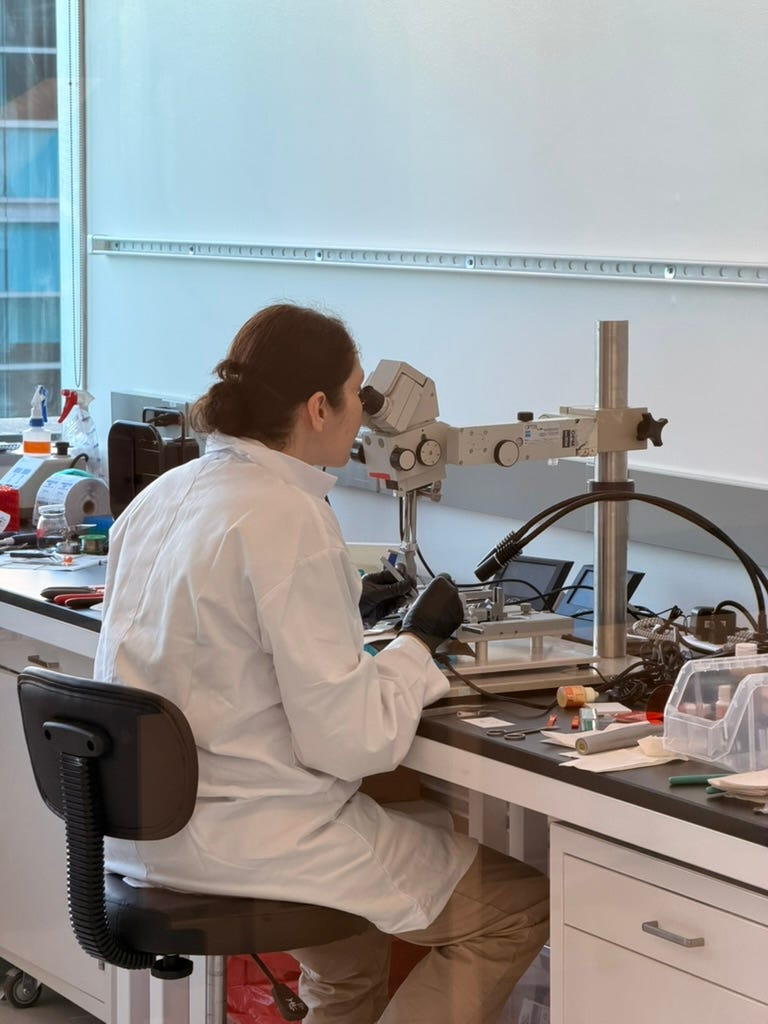
Bo Hu joined us and has been indispensable in the lab, running synthesis processes from early until late. He previously accelerated complex synthesis processes of 18-step macrocycles from 3 months to 2 weeks in his grad school work; but most importantly we’ve been impressed by working together during his on-site and his relentless work ethic. Every day Bo’s dry humor brings us great joy and he brings even more great therapeutic molecules.
Vijay Ramani is joining us as a scientific advisor. Vijay is a UCSF & Gladstone professor with rich experience in cell state measurements in high throughput paradigms, such as with his Science-published 650,000 cells / 188 compounds sci-Plex platform. We’ll be working with Vijay to kick off our relationships at UCSF, and to explore making the biology work for trickier human capabilities targets we’re interested in such as transcription factors.
Alana is an operational maniac -- joining us as a Member of Therapeutic Staff after her previous experience scaling data collection at a stealth neurotech company from 500 person-hours a month to 20,000+ hours. She impressed the team by joining and immediately handling our move and scale-up, getting the new lab running within ~3 weeks. She’s now handling our scale-up of production capacity and data generation over the next months.
Technical & Biological Updates
First Preclinical Batch
Our first major wakefulness program, CAPABLE-002 is going into extensive preclinical safety testing. This is the step of clinical development where we have to make an ultra-clean batch to dose repeatedly in a rodent and non-rodent species -- often dogs or primates -- and then look at all their tissues, hundreds of biomarkers, etc. This is a critical step to both characterize the drug better and to ensure the safety of subsequent human volunteers.
This month, we finished our first clinical-scale batch of 180 grams of our development candidate. This is enough to dose hundreds of rats, dozens of dogs, and a few dozen humans. We made this with a contracted facility in India who supports dozens of phase 1 studies a year. Using contractors here makes sense to ensure this batch will be regulator-approved. The team flew out in person to personally inspect manufacturing.
The quality control on the last batch looked good to go ahead, with 98.5% purity. In vitro, we’re seeing the same kinds of metabolites generated between rat, dog, and human livers which is important for the safety data to transfer between species. We’re planning to dose the first dogs at our preclinical safety testing partner within a few weeks.
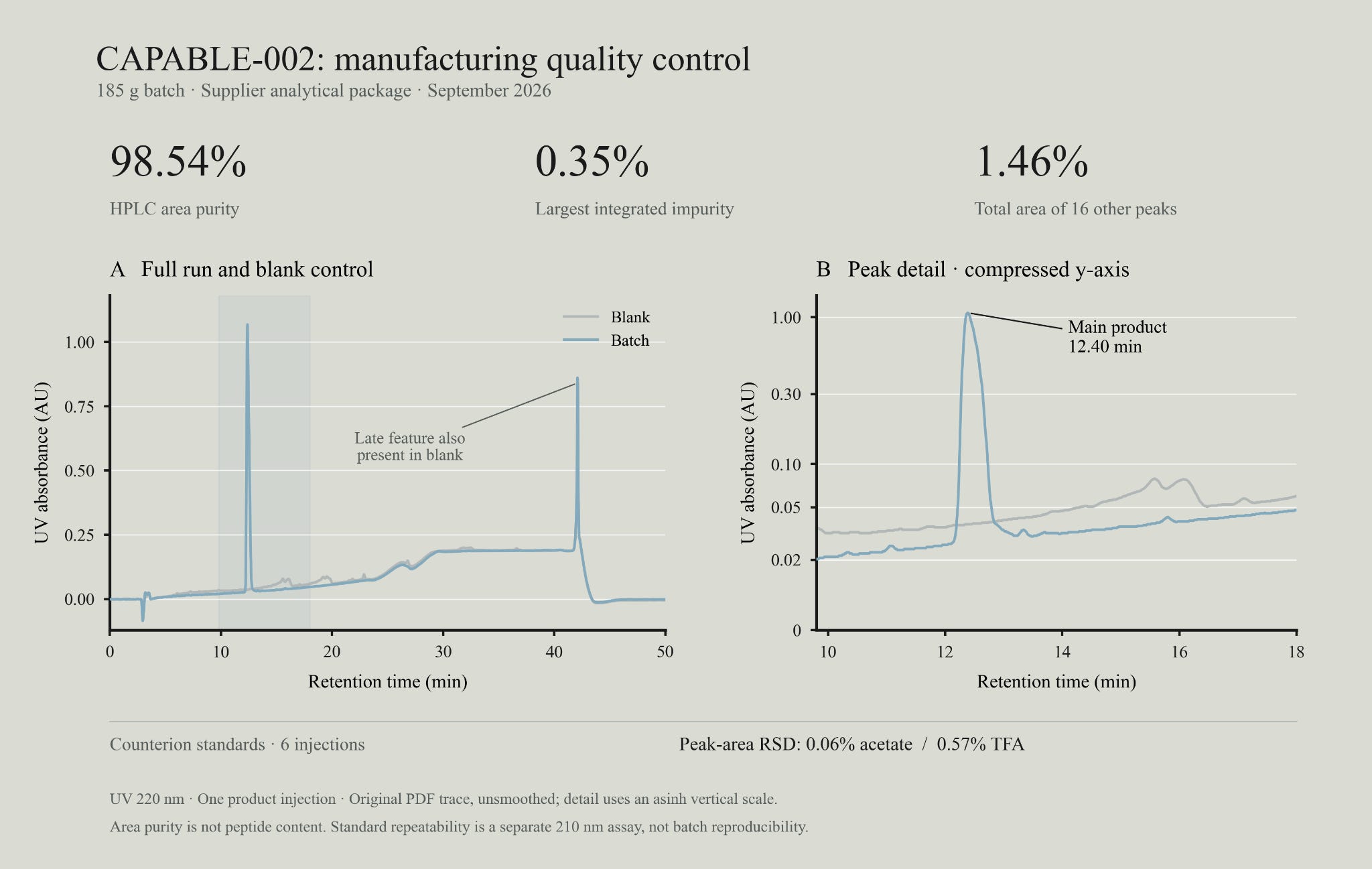
The main secondary compound in the therapeutic batch is acetate -- this is good, because acetate is our planned counterion to neutralize the positive charges in the molecule. Acetate is a biologically friendly and safe counterion that’s commonly used in therapeutics, such as in the approved desmopressin acetate.
That said, there is one major problem: We out-innovated ourselves on this program. On the rapid pace of the program, in the last weeks we achieved a similarly potent but even smaller molecule, led by our ex-Lilly drug designer Farbod. The new molecule is 70% smaller than our starting point, now at roughly 750 Dalton.
After further optimization for size, stability, and absorption, this program might support oral dosing while retaining the ~30-50% reduction in sleep we see in our early mouse models. If this process generalizes across programs, this would add another major tool to our platform: Miniaturizing drug-like binders while retaining potency and achieving potentially oral dosing.
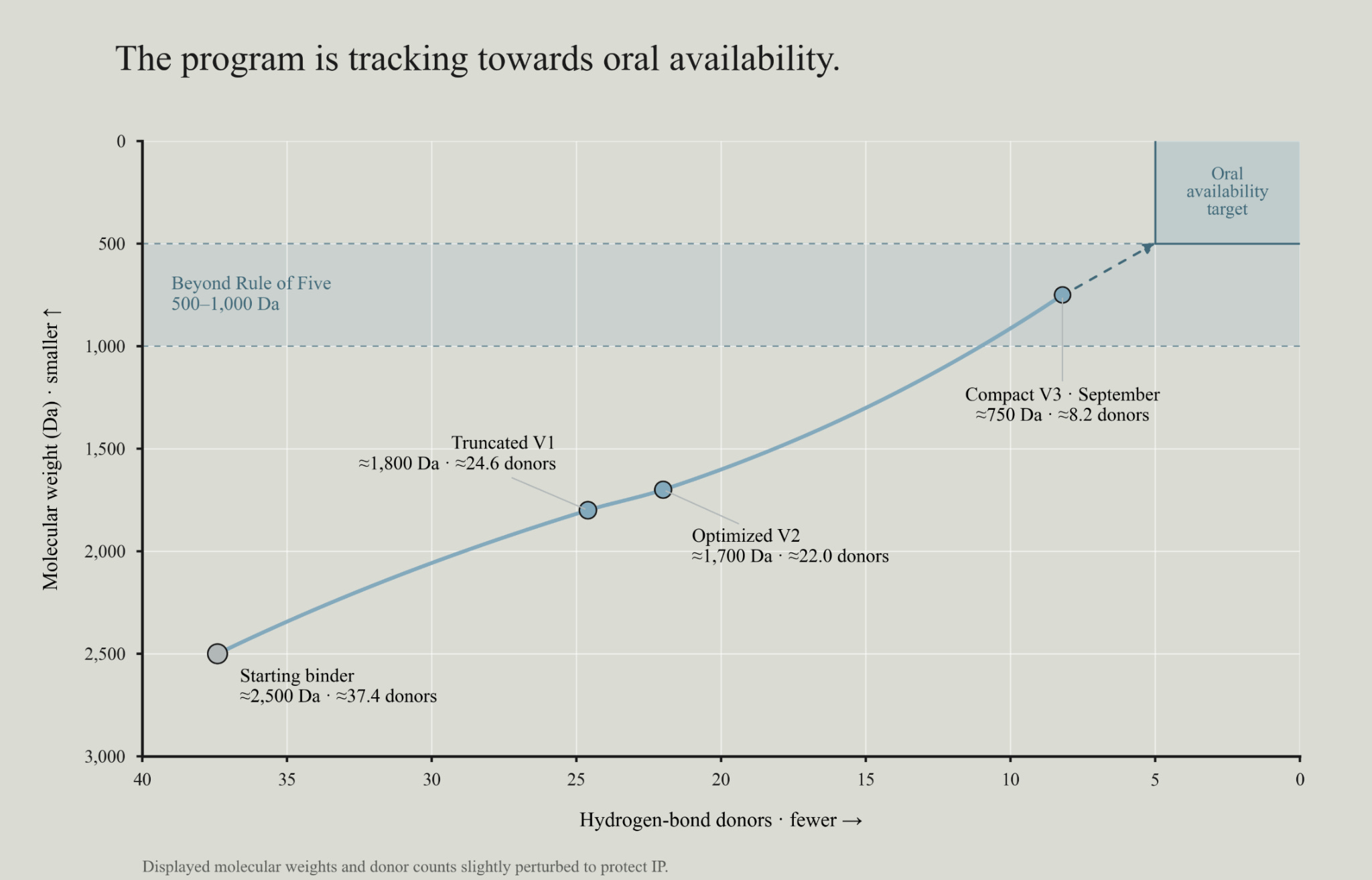
Because both versions of the drug are highly potent and extremely selective on the same pathway, we’ll pursue the chronic safety study in parallel to the development of the next-gen drug. The safety study will inform us about side effects of the drug; we may choose to take the v1 into the clinic or we may end up putting an even better v2 into the clinic at the cost of resetting the timeline.
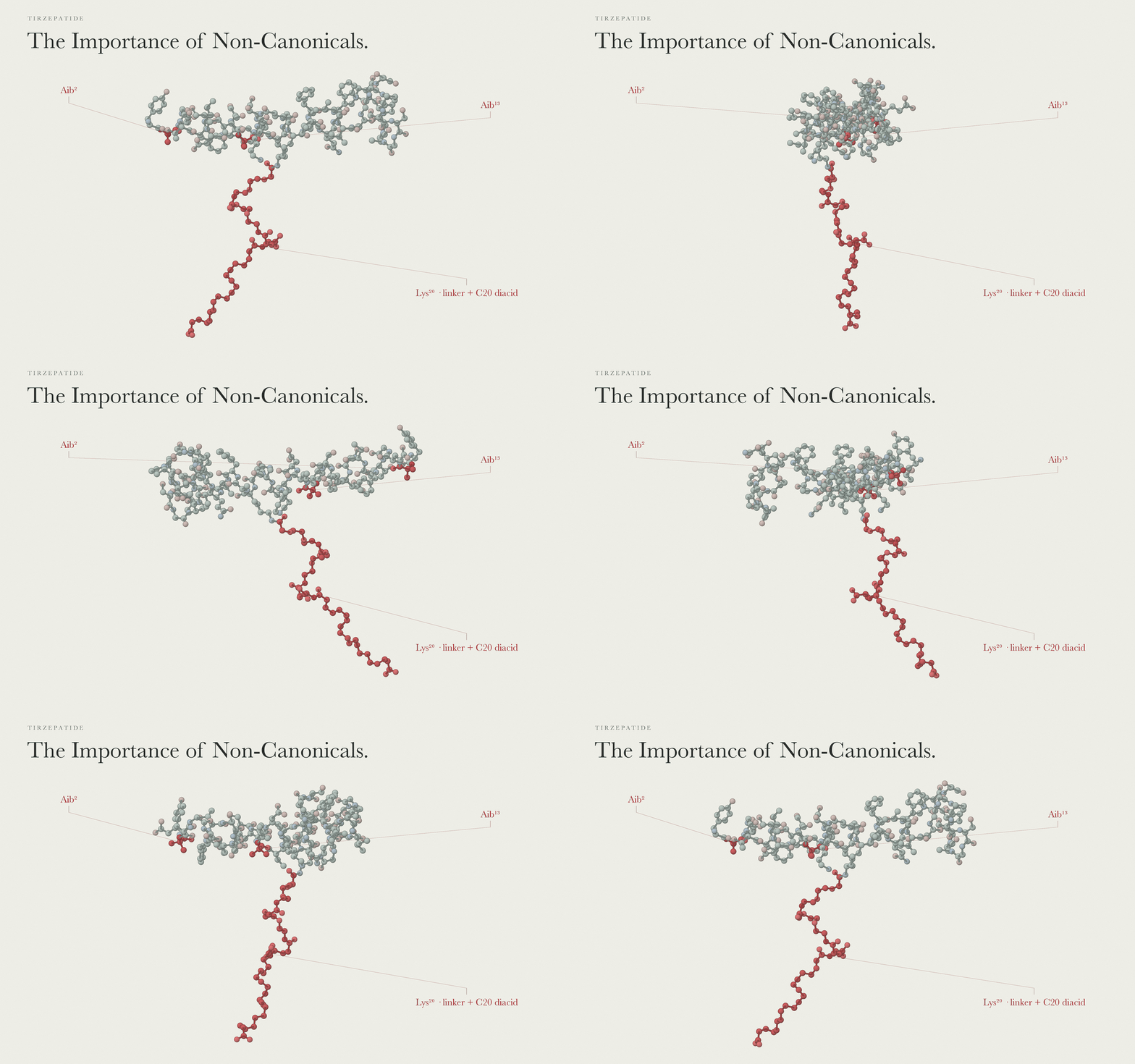
The importance of noncanonical amino acids to engineer drugs: Achieving potency and stability here requires extensive use of non-canonical amino acids. Our next-generation molecule in this program is likely to end up ~80% non-canonical. This in-house experience highlights why primarily canonical-binder companies like most existing ML-bio companies cannot reach some of the most interesting parts of therapeutic space.
For example, the blockbuster drug tirzepatide wouldn’t have been possible without the noncanonicals amino-isobutyrate that protect it from rapid deactivation, or the long diacid lipid tail at position 20.
ML
So far, we’ve been focused on training specialized sub-models that an orchestrating agent can use, such as the potency predictor mentioned in the last update, and with more in the works to share soon. We envision a world where an orchestrating agent has a set of extremely precise and helpful tools at hand, such as models predicting potency, drug stability, in vivo efficacy, or even clinical translation tools.
These will inform drug development campaigns, ideally to the point where we can ~100-shot a therapeutic candidate; then combined with our physical turnaround pace this would compress an early discovery campaign into ~30 days or less. An outline:
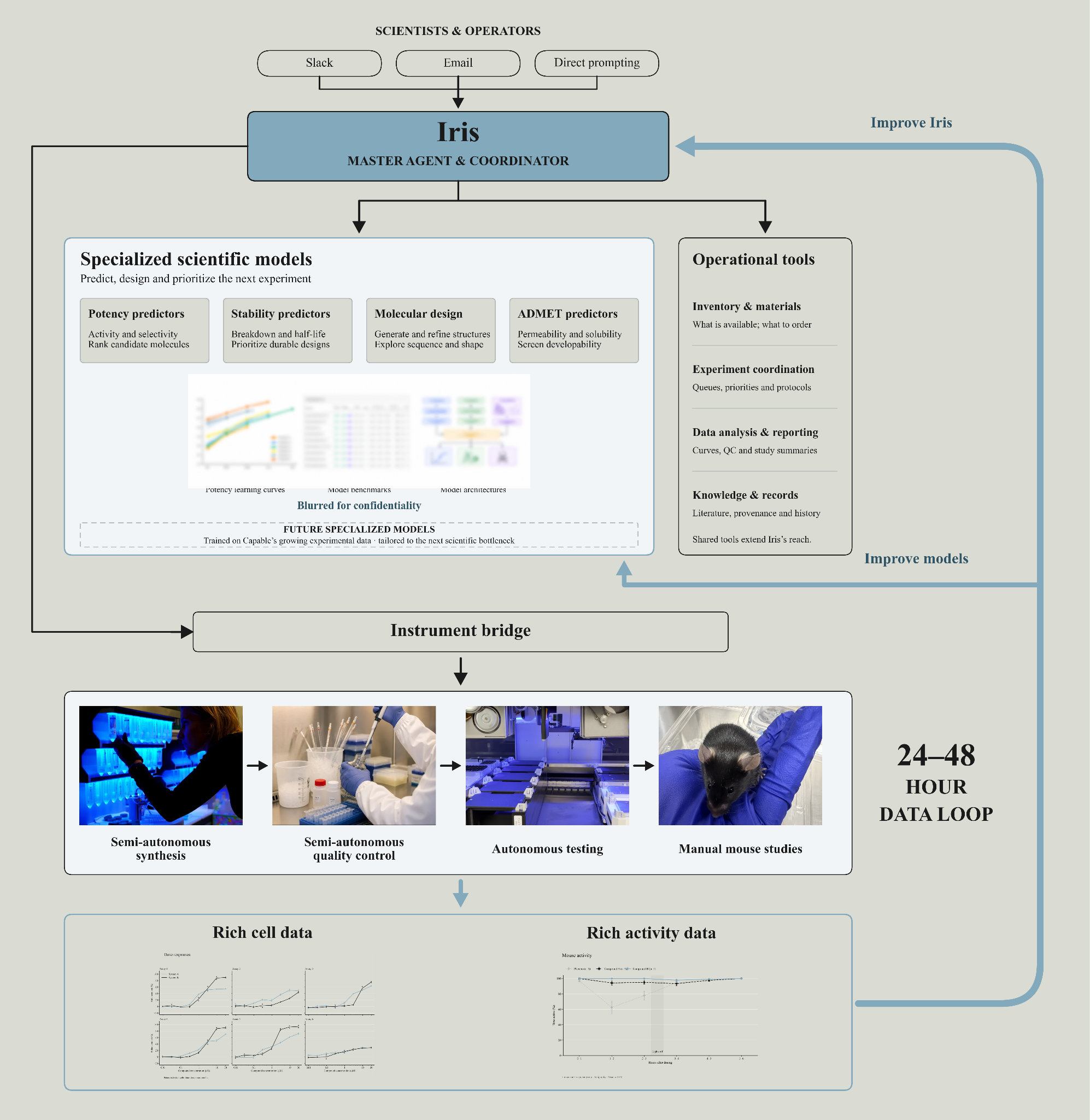
Most of these we already have our v1 set up. The next big step is to scale up data generation and training of specialized potency, stability, and safety models, as well as integrate the agent into the lab workflows even deeper.
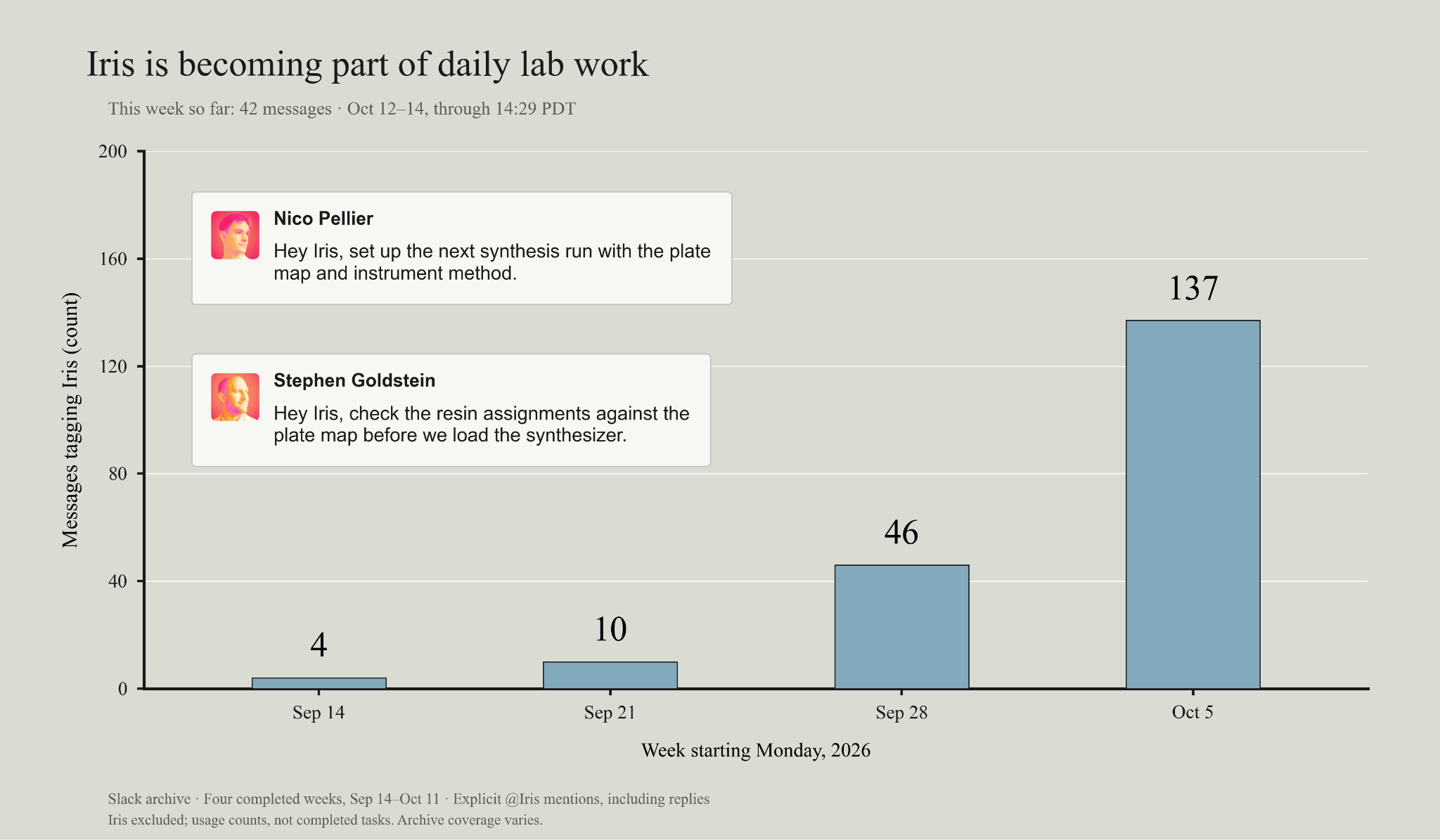
Also, adoption internally and usefulness of the agent is increasing week-over-week -- directly a function of it having access to our in-house tooling and physical infrastructure. We might be one of the smallest vertically-integrated drug dev teams relative to our progress, and that’s directly enabled by the productivity gains of the agents.
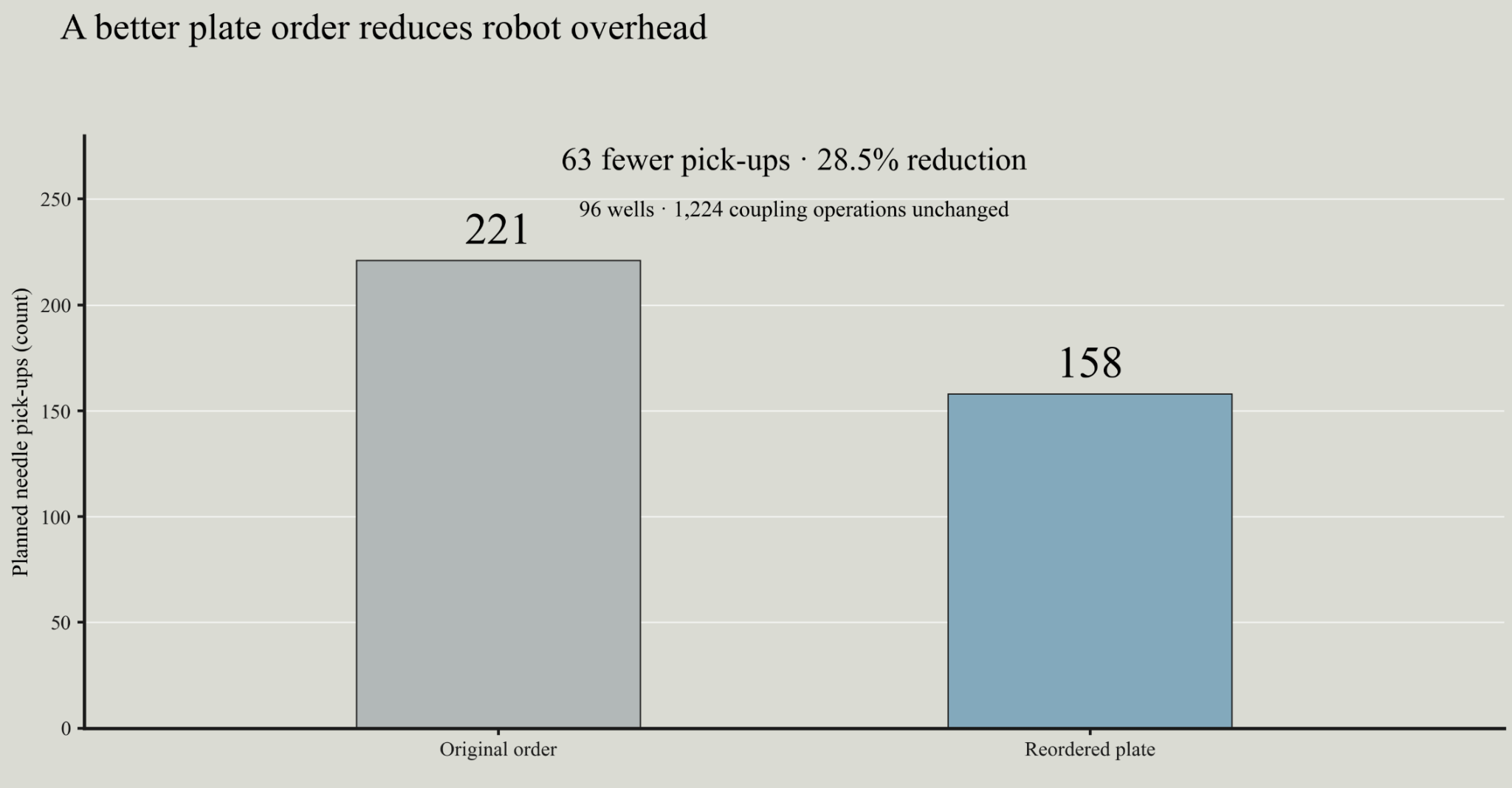
One more example: With most of our hardware being set up to interface with the agent, here Iris accelerates a synthesis run by optimizing the pick-up order of reagents in our synthesizer. This optimization accelerates synthesis due to requiring the robotic arm to move long distances ~30% fewer times.
Also, last time I mentioned that seeing cross-generalization of potency prediction will be key for our first specialized models. We’ve been doing a lot of work on making our first potency predictor models more generalizable -- and the preliminary results of our most recent model look promising, with good generalizability across wildly diverse programs:
Exercise mimetic
We’re spinning up our new exercise mimetic campaign, with the goal of a drug that drives beneficial effects similar to exercise on cardiovascular health, the liver, kidneys, brain, and on muscle preservation. We previously had a few early targets and candidates for this program, but after further research we now have strong conviction in our target being potentially big-if-true.
Our research agent now designed ~500 first candidates for this exercise mimetic, which we’ll iterate through over the upcoming 4-6 weeks. Ideally we hit a potent and long-lasting binder by mid-November, and then do further lead-optimization, metabolic optimization, and mouse testing. The goal is to get a drug development candidate within roughly 3 or 4 months. Comparable timelines in pharma are 2-5 years.
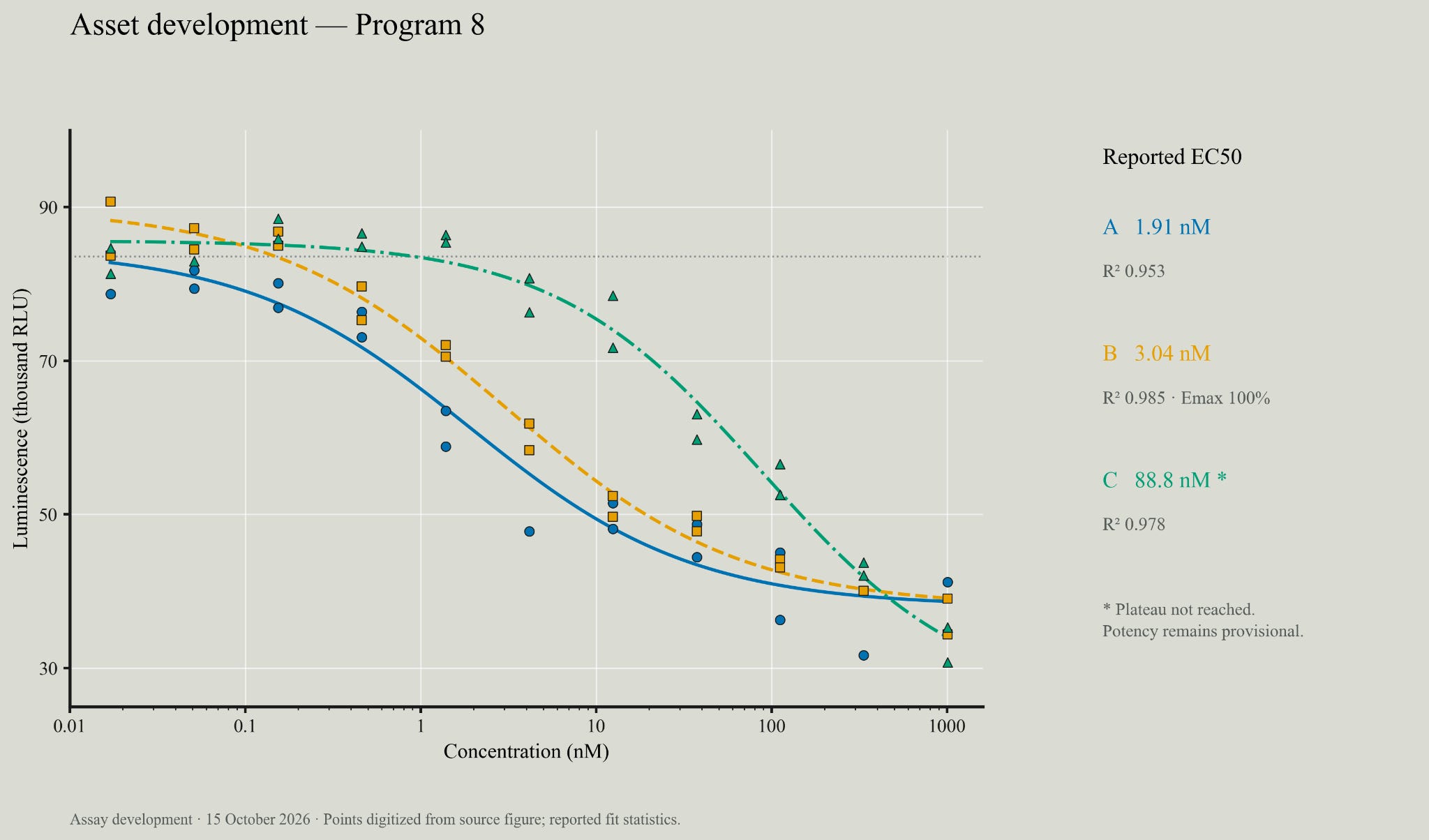
After initial cell culture, we started assay development for this exercise mimetic on Wednesday. From-scratch assay development previously took us 1-2 weeks. This time we completed it the same day. We also accelerated the development timelines for the assay that’s the foundation of program 8 (more soon…):
Bottlenecks
One of our previous bottlenecks was the ability to dry compounds. We originally developed evaporation workflows allowing us to dry most compounds in ~20-30 minutes instead of the industry-standard 24-48h lyophilization drying regimes -- but the bottleneck was that we could only dry compounds one vial at a time.
Now we’re doing scaled-up parallel drying. In our ~3 foot-wide vacuum evaporator with a two-stage carousel, we’re able to process up to 12 96-well plates in parallel, for a rough total of 1152 compounds in parallel, hence a >1000x scale-up at maximum evaporation capacity (true capacity is bottlenecked by upstream chemistry output now).
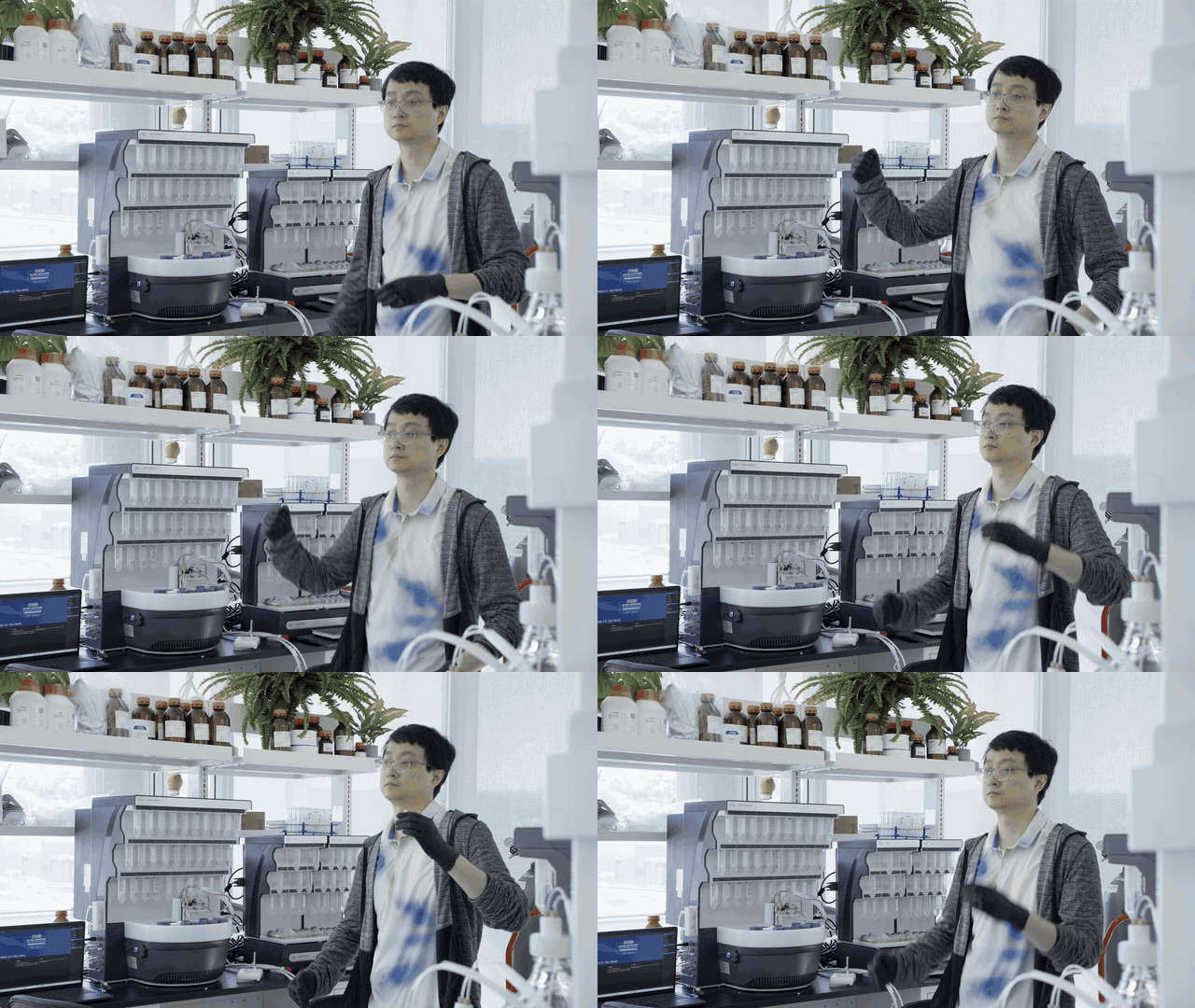
Bo when synthesis goes fast and well
Even more excitingly, we’re working on fully eliminating drying as a normal step in our process: Because we’re vertically integrated, there’s less need for long-term dry storage of therapeutics. We should be able to directly take most compounds from synthesis into cell and mouse testing.
This also makes the chemistry workflows more automatable, requiring less manual interfacing with the vacuum chamber. Eliminating drying will require us to reliably adjust our solvents to reach cell-safe concentrations after purification; ideally we achieve this within 1-2 months.
Another bottleneck is scaling synthesis in parallel; this will require us developing a lot of our synthesis methods from scratch; for example one problem to solve will be incomplete deprotection of compounds. The goal is to hit <48h turnarounds at a 100x scale versus the previous lab before December.
Validation in EEG: We routinely validate our high-throughput video-based data with ground-truth EEG. This is important for ground-truth validation of our sleep results. We last did that in summer for a cohort of mice, seeing an excellent r > 0.8 correlation between actigraphy and EEG. We’re now doing it again to re-validate.
Proper EEG in mice is difficult: It requires intra-brain electrodes and a way to power the recorder. We use a wireless EEG system where we implant the battery in a separate pouch. Erica, having run >600 such surgeries underlying many publications of the De Lecea lab at Stanford, now is running our next batch of EEG mice; the first surgeries went well. The next step is multiple compound-dosed studies. Here’s some of the raw traces straight from our mouse brains!
Onwards and Upwards
As often, ending on a blunt personal note: It’s probably been the highest-variance year of my life so far. On one hand, it’s been incredibly beautiful -- Capable, the team, scaling, and learning as a person.
On the other hand, it’s also been tragic: In the last months, I lost my uncle, my grandma, and my father--to age, to cardiovascular disease, or to metabolic disease.
Obviously this feels like eating glass. Tragedies like this are only another motivation to work harder on elevating human health. Higher baselines, better metabolism, and improved health would prevent a lot of such tragedies.
We must prevail.
How you can help us:
Sending us excellent hardware engineers. Most hardware in bio sucks and isn’t sufficiently AI-forward. We’ll start building out our own hardware to accelerate our synthesis and testing loop.
We’re looking for people with a demonstrated track record of excellent work, such as at SpaceX, Neuralink, or in robotics, and who are interested in helping accelerate AI-forward drug development.
Previous life sciences knowledge is not required.
Directions here will include big devices (autonomous synthesizers) and small devices (autonomous drug dosing devices). We think this is uniquely exciting -- please forward this to potentially great people!
If you know great founders and scientists in Shanghai who I’d enjoy meeting, please connect us! I’ll be inspecting our critical preclinical safety study, and then I’ll be at the Lantern Summit.
We’re always looking for excellent chemists and biologists.
Now we’re especially looking for growth-hungry night-owls who can help us run our lab 24/7 to accelerate us even further.
We’re also looking for people uniquely obsessed with scaling up processes -- this can be with a technical background, like process chemists, or excellent operators obsessed with helping scaling up technical work.
We have a bunch of drug dev capacity opening up over the upcoming months as we scale. If you have wise drug developers who would like to propose or critique targets, I’d love to talk to them.
Remember we currently do give a $30,000 referral bonus to you as the referrer for people we end up working with -- we just paid out a bonus three weeks ago.
It’s been a joy to see the company accelerate. It feels like the founding moment has barely begun. Stop by sometime to see it for yourself, such as on our small lab warming on Monday 6p.
Onwards,
Isaak
As promised in the last update, a huge thank you for the angel and friends who went to war for us. This is woefully incomplete as we’ve gotten so so many helping hands over the last months and I’m writing this on the fly among the craziness of the scale-up; here’s a few shout-outs!
Eli & Simon for being absolute champions.
Seth Bannon, Alex Teng, Scott Phoenix for going to war for us.
Victor Wang, Hisham, Ibrahim, Tahseen, and Hansa for going to war for us.
Riley Loftus and Larsen Jensen for going to war for us.
Elizabeth Weil, Kevin Weil, and Stu
Inaki, Amol, and Lisa
George, as always.
Alexey Guzey, Will DePue and Mehran Jalali for being the best superangels we could’ve asked for.
Shane Lafayette.
Emerson.
Liyam.
Karen.
Moritz for helping us connect with [lab X] and with NVIDIA.
Rohit!
Fidji
Wojciech
Anne & Erin!
Michael Retchin -- for the legendary introduction to Shane.
Seth for the intro to Vijay.
Vivek Natarajan for referring us to great talent like Victor.
Srinivas Narayanan for being an angel of a person.
I’m grateful to be surrounded by such a great group of founders to learn from. It’s by far one of my favorite parts about the Bay: The relentless willingness to pay it forward. You’re the average of the people around you… so huge thanks to:
Devansh for the great advice
Anne Brandes
Aidan Smith
Koki Mashita
Marley Xiong
Lev Chizhov
Michael Retchin
Lada Nuzhna
Max Marchione
Sacha Schermerhorn
And many many more of you for being there when it counted. Thank you.